
About Us
Where science meets somatic experience

We are scientists, practitioners, educators, and curious movers.
This is our Story
The Science of Somatics was born from a shared question:
How do we bring together the part of us that moves and feels with the part that wants to understand how it all works?
As practitioners and researchers, we’ve both lived that tension between intuition and analysis, sensing and explaining. Over time, we realised they don’t have to be separate. Science and somatic experience can speak to each other, enriching both.
We created The Science of Somatics to make that dialogue visible and practical so that you, as a practitioner, can connect what you sense in the body with what science reveals about the brain.
Our purpose
Turning understanding into embodied knowledge
We’ve done the research so you can focus on your practice.
Our role is to translate complex science into clear, applicable insight, helping you:
- Refine what you sense in your own work
- Understand the mechanisms behind it
- Communicate its value with confidence and clarity
When you understand the science behind what you do, your work becomes more precise, communicable and recognised without losing the depth or humanity that make it unique.

Dr. Sebastian Zahler
Neuroscientist and somatic educator
Sebastian’s work explores how the brain organises movement and autonomic regulation. With a background in physics and neuroscience, he brings scientific depth to the felt experience of embodiment.

Dr. Tim Cacciatore
Neuroscientist, Movement scientist and Alexander Technique teacher
Tim has dedicated decades to researching posture, movement and coordination. His studies on how the nervous system supports balance and adaptability have shaped how somatic practice is understood today.
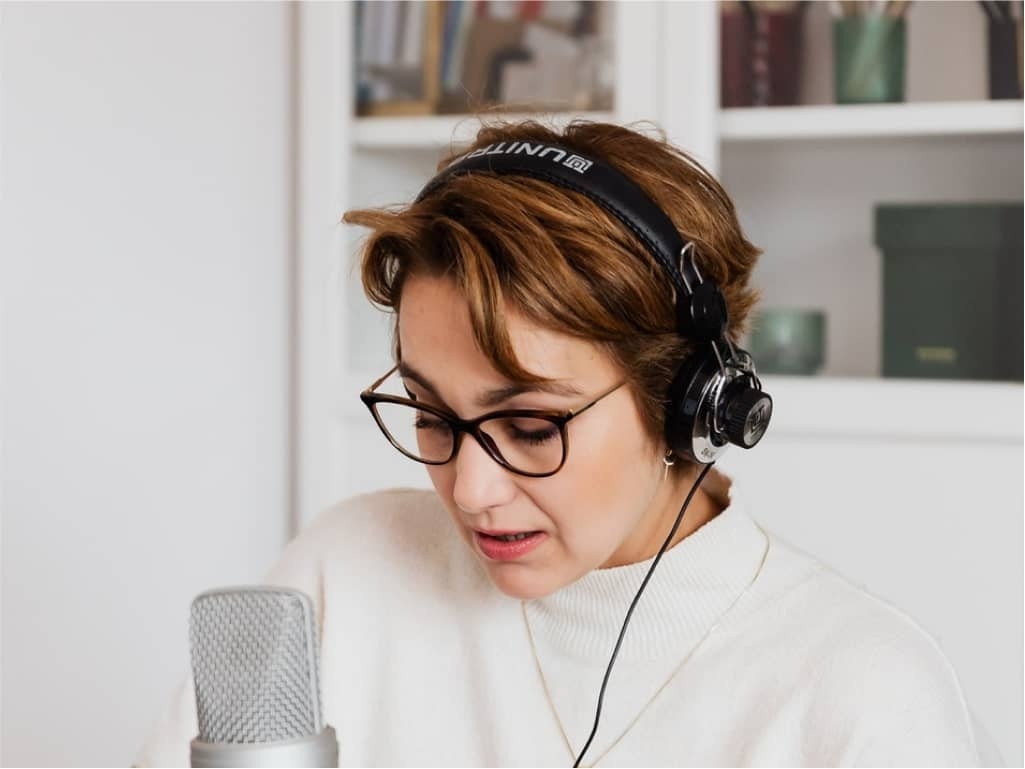
Mari Hodges, MScMed
Pain educator and Alexander Technique teacher
Mari bridges science and lived experience in the context of pain, movement and recovery. She focuses on helping practitioners integrate evidence-based principles into compassionate, body-led practice.
Stay Connected. Stay curious.
Join a growing network of practitioners exploring how science and somatic experience inform each other.
